Category: Tips & Tricks
-
Back in March, my upcoming lymphedema surgery seemed impossibly far away. Then, all of a sudden, it was here. And… Read more.
-
Never ignore your lymphie intuition. Here’s how being proactive and advocating for myself kept me out of the hospital. Read more.
-
Listen up, lymphies! These engaging podcasts about lymphedema and lipedema are sure to elevate your lymphatic knowledge. Read more.
-
As we adapt to a changing world, so too must our lymphedema treatment routines. Read more.
-
Does lymphedema put me at an increased risk for COVID-19, the new strain of coronavirus? The short answer: no. Read more.
-
March is Lymphedema Awareness Month, however you can advocate for awareness no matter the time of year. Read more.
-
Elevate your gift-giving game this holiday season with these lymphie-approved presents. Read more.
-
This book is a must-read for lymphies and those who seek to better understand lymphedema and its treatment. Read more.
-
A review of Kathleen Lisson’s “Plastic Surgery Recovery Handbook” and why it’s required reading for lymphies and lippy ladies undergoing… Read more.








Quick Links for Lymphies
I’m looking for:
F.A.Q.s
What is lymphedema?
Lymphedema is swelling caused by a buildup of lymph fluid, usually in an arm or leg, when the lymphatic system can’t drain properly. It’s a chronic condition, but with the right care, it can be managed well.
What causes lymphedema?
It can be primary (something you’re born with, due to how your lymph vessels developed) or secondary (caused by something else, like surgery involving lymph node removal, radiation, infection, or trauma).
Is there a cure for lymphedema?
There’s currently no cure, but you can help ease symptoms through compression therapy, manual lymphatic drainage, exercise, and skin care. Some patients may also be candidates for surgical options.
How do I know if I have lymphedema, or if it’s something else?
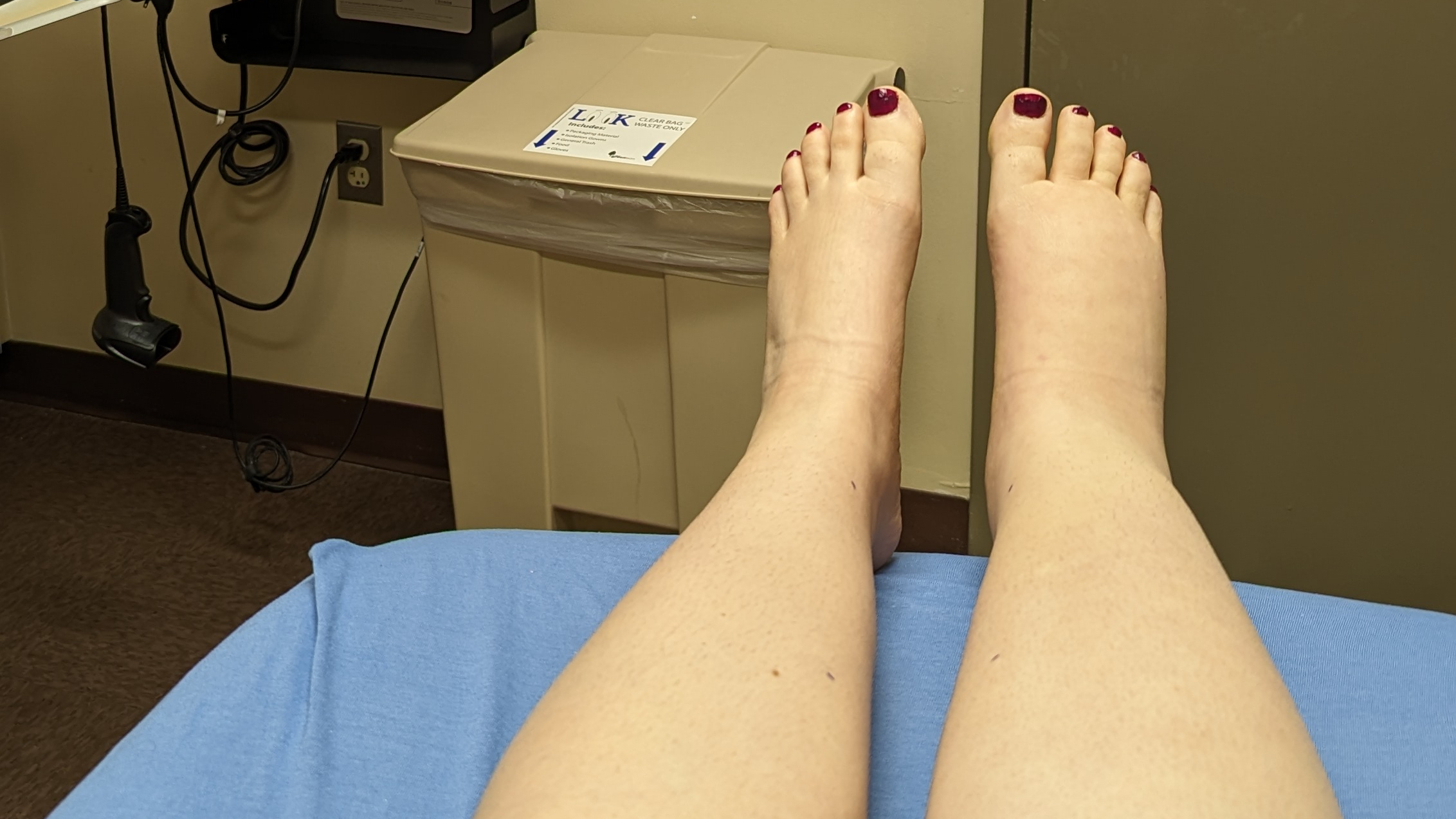
The telltale sign is persistent swelling in a limb (or another area) that doesn’t go away with rest or elevation. You may have a feeling of heaviness, tightness, or “fullness” in the affected area, as well as hardening or thickening of the skin.
Lymphedema can sometimes develop slowly, even months or years after surgery or cancer treatment, so any new or unexplained swelling is worth mentioning to your doctor.