Category: Tips & Tricks
-
Lymphedema doesn’t discriminate: men have it, too, and leaving them out of the conversation risks alienating them from much-needed treatment… Read more.
-
“Drawing” on my own experience in response to a reader’s questions about self-care. Read more.
-
If you sometimes feel like your lymphedema is driving you crazy, don’t worry – it’s in its etymological DNA. Read more.
-
As the poet Rumi once wrote, “The wound is the place where the light enters you.” Read more.
-
When your lymphedema limb starts leaking lymph fluid, it can be a little alarming. Here’s what’s going on and how… Read more.
-
We’re not only explaining lymphedema and the lymphatic system, but doing so within the context of our own personal experiences… Read more.
-
For many, alcohol is a part of life. But what about when a chronic health condition is a part of… Read more.
-
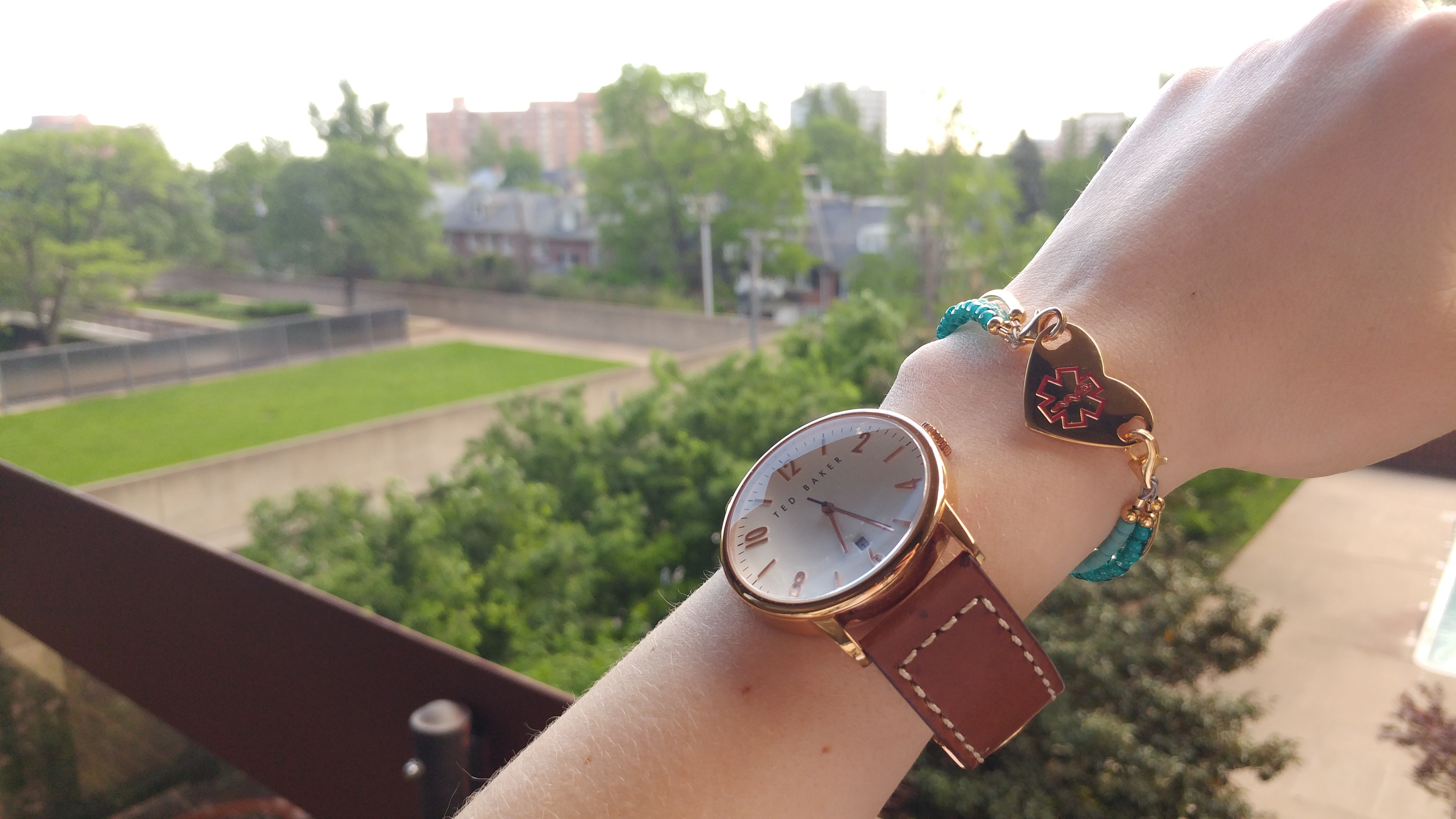
Medical alert jewelry can be essential, but their lack of style doesn’t have to be. Read more.
-
In managing and treating our physical health, we must be mindful not to neglect our emotional and mental health in… Read more.








Quick Links for Lymphies
I’m looking for:
F.A.Q.s
What is lymphedema?
Lymphedema is swelling caused by a buildup of lymph fluid, usually in an arm or leg, when the lymphatic system can’t drain properly. It’s a chronic condition, but with the right care, it can be managed well.
What causes lymphedema?
It can be primary (something you’re born with, due to how your lymph vessels developed) or secondary (caused by something else, like surgery involving lymph node removal, radiation, infection, or trauma).
Is there a cure for lymphedema?
There’s currently no cure, but you can help ease symptoms through compression therapy, manual lymphatic drainage, exercise, and skin care. Some patients may also be candidates for surgical options.
How do I know if I have lymphedema, or if it’s something else?
The telltale sign is persistent swelling in a limb (or another area) that doesn’t go away with rest or elevation. You may have a feeling of heaviness, tightness, or “fullness” in the affected area, as well as hardening or thickening of the skin.
Lymphedema can sometimes develop slowly, even months or years after surgery or cancer treatment, so any new or unexplained swelling is worth mentioning to your doctor.